Garden of Gratitude Opens May 14 at Gwanghwamun Square Seoul
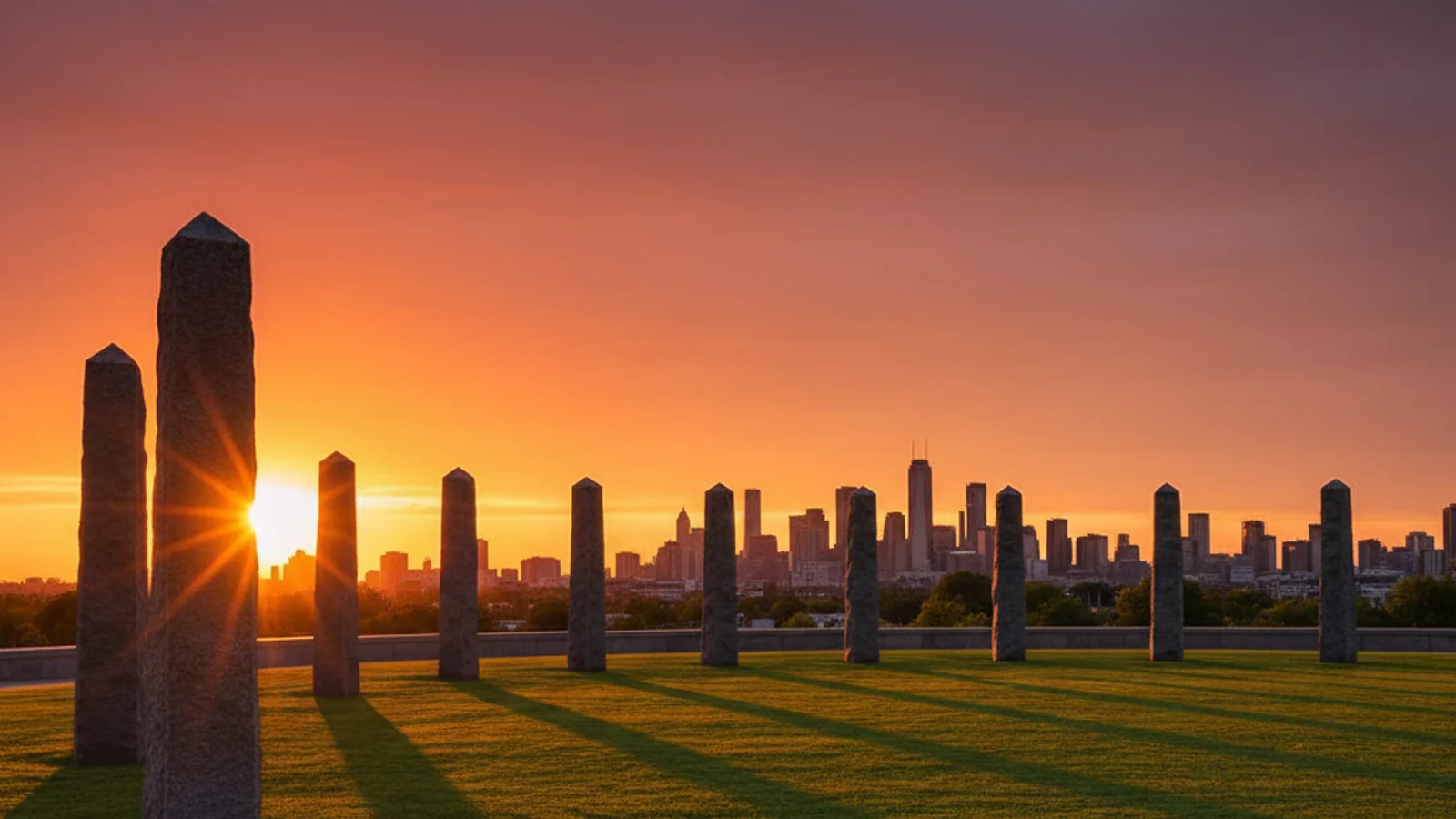
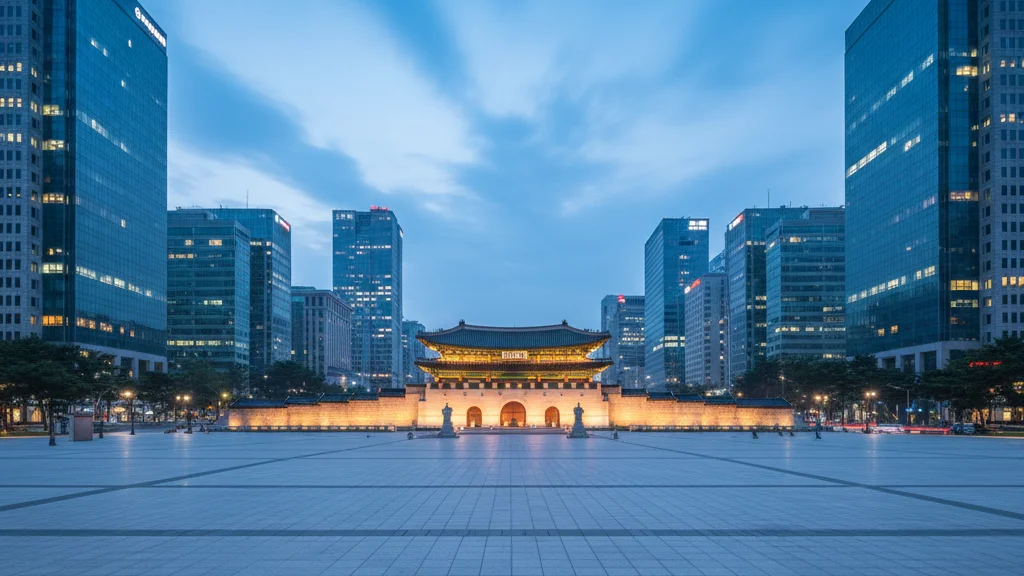
The Garden of Gratitude opens May 14, 2026 at Gwanghwamun Square in central Seoul — a new Korean War memorial honoring the 22 allied nations that supported South Korea during the 1950-53 conflict. Centered on the “Light of Gratitude 23” installation (23 sculptures representing South Korea plus its 22 allies, each rising 6.25 meters to mark the war’s June 25, 1950 start), the memorial also includes a Freedom Hall underground exhibition. For travelers visiting Gwanghwamun — one of Seoul’s most-visited landmarks at 27 million annual visitors — it adds a substantial new cultural stop.
What the Garden of Gratitude actually includes
Per Korea Herald’s coverage, the memorial layout:
- Opening date: Tuesday, May 14, 2026 (official ceremony)
- Location: Gwanghwamun Square, central Seoul
- Light of Gratitude 23: 23 sculptures representing South Korea + 22 allied nations
- Sculpture height: 6.25 meters (referencing June 25, 1950 — Korean War’s start)
- Materials: Stones donated by participating countries
- Freedom Hall: Underground exhibition with immersive media space featuring Korean War materials and allied nations’ cultural information
- Combat support nations (16): US, UK, Turkey, plus 13 others
- Medical support nations (6): India, Norway, Denmark, Sweden, plus 2 others
- Annual Gwanghwamun visitors: ~27 million
The 6.25-meter sculpture height is the kind of design detail that anchors the memorial in specific historical meaning rather than generic monumentality. June 25, 1950 was the day North Korea crossed the 38th parallel — the moment that forced 22 nations to commit forces or medical resources to the South. The sculptures are the spatial record of that commitment.
Why the Garden of Gratitude matters beyond memorial value
Loukas Tsokos, Greece’s Ambassador to South Korea, framed the opening this way: “The Garden of Gratitude is a deeply meaningful project and will become an important landmark.” San Francisco Mayor Daniel Lurie, attending the ceremony, drew a parallel: “Seoul and San Francisco are cities that rose from ruins.”
The Korean War shaped modern Korean identity in ways most international visitors only understand at the surface. The Garden of Gratitude makes the international dimension of that history physically visible at central Seoul’s most-trafficked location. For visitors who would otherwise pass through Gwanghwamun for selfie photos at the gate, the memorial provides 30 minutes of context that reframes the entire neighborhood.
How to visit the Garden of Gratitude as a traveler
- Transit: Gwanghwamun Station (Line 5), Exit 6. Or Gyeongbokgung Station (Line 3), Exit 5 — both lead into Gwanghwamun Square within 3 minutes’ walk.
- Pair with: Gyeongbokgung Palace (5 minutes north), Sejong Center for the Performing Arts (across the square), the National Museum of Korean Contemporary History (east side), and the Korean War Memorial in Yongsan (15-minute taxi ride for a deeper history loop).
- Best timing: Late afternoon golden hour, when the 6.25-meter sculptures cast dramatic shadows. Avoid weekday lunch hours when the square fills with office workers.
- Freedom Hall: Plan 30–60 minutes if you want the full immersive media experience.
- What to bring: A phone for the immersive media experience interactions. Comfortable shoes — the square is paved but extensive.
The bottom line
The Garden of Gratitude adds historical depth to what was previously a primarily photogenic central Seoul landmark. For first-time Korea visitors, it provides a 30-minute lesson in Korean War history that travel guides typically gloss over. For repeat visitors, it’s a new reason to budget Gwanghwamun time on the next trip. Track Seoul cultural landmark updates in our Culture & Travel News section.