Korea Rail Trips Beyond Seoul Surge: Gyeongju Bookings Up 112%
Korea rail trips beyond Seoul are surging in 2026. Since Klook launched real-time Korail digital ticketing for foreign travelers on April 20, regional destinations have seen sharp booking growth — Gyeongju listings traffic rose 112% year-over-year in the first three weeks, with Daegu up 23% and Busan up 28%. Americans lead the bookings, followed by Filipinos and Europeans. The pattern signals a real shift: international visitors are increasingly treating Korea as a multi-city rail country rather than a Seoul-only trip.
What the Korea rail trips data actually shows
Per Korea Herald’s coverage, the booking data from Klook’s first three weeks (through May 11):
- Klook Korail digital ticketing: launched April 20, 2026 — real-time schedules, seat availability, digital voucher boarding
- Gyeongju traffic: +112% year-over-year
- Daegu traffic: +23%
- Busan traffic: +28%
- Busan Sky Capsule / Gamcheon / Blueline Park tour: +53%
- Gyeongju World amusement park passes: +73%
- E-World Daegu passes: +33%
- Top booking nationalities: Americans (1st), Filipinos (2nd), Europeans (3rd)
Lee Jun-ho, head of Klook Korea, framed the shift: “Since launching the Korail ticketing service, we’ve seen growing interest among foreign travelers in destinations outside Seoul, and that’s translated into increased searches and bookings for regional products.”
Why Korea rail trips beyond Seoul are growing now
The single biggest barrier to regional Korea travel for international visitors was never distance — it was ticketing friction. Korail’s booking systems historically favored Korean-language interfaces and Korean payment methods. A foreign traveler who could book a Seoul hotel in 30 seconds would hit a wall trying to reserve a KTX seat to Gyeongju.
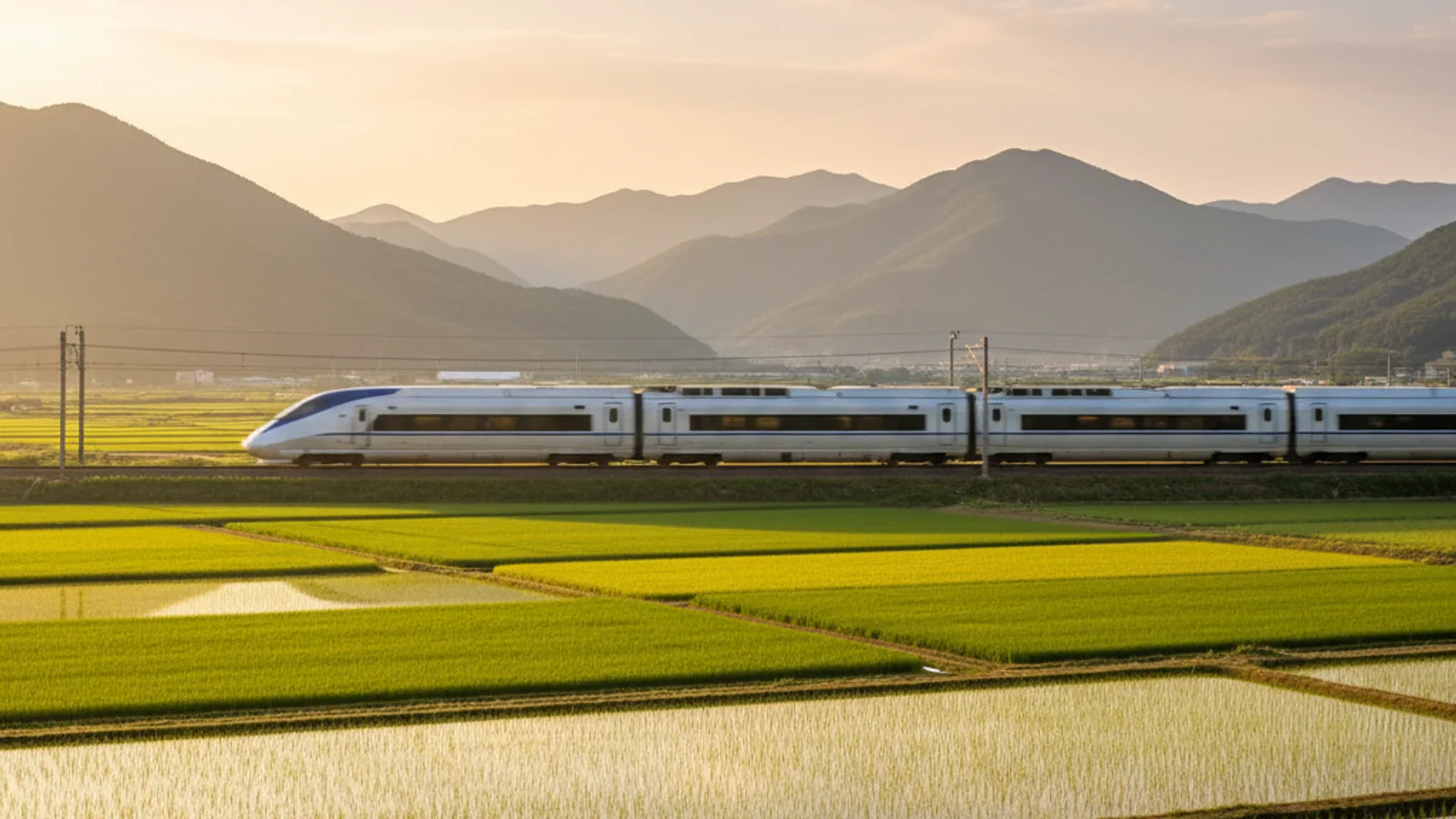
Klook’s digital ticketing removed that friction in one move. Combined with KTX speed — Seoul to Busan in roughly 2.5 hours, Seoul to the Gyeongju area in about 2 hours — the regional trip suddenly costs less effort than it appears. The 112% Gyeongju surge is what happens when a real barrier drops. It also fits the broader pattern we covered in the Gangwon overnight-destination survey: visitors increasingly want the Korea beyond Seoul.
How to plan Korea rail trips beyond Seoul
- Book through Klook: The app and website now handle real-time Korail reservations without the Korean-language barrier — schedules, seats, and a scannable digital voucher.
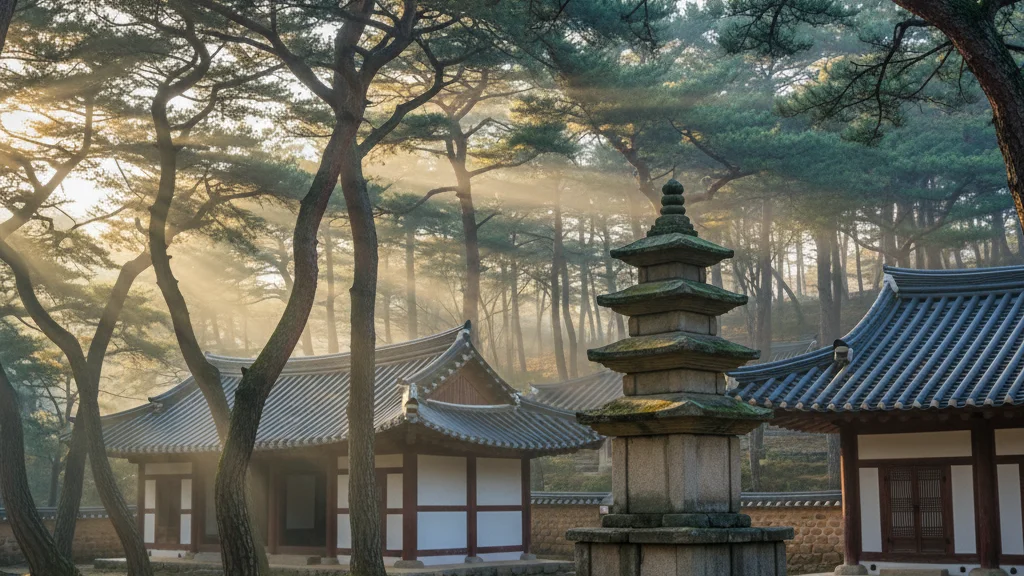
- Seoul → Gyeongju: Roughly 2 hours. The Silla-dynasty heritage capital — Bulguksa Temple, royal tombs, Anapji Pond. The single best history-focused day or overnight trip in Korea.
- Seoul → Busan: About 2.5 hours. Beaches, seafood markets, Gamcheon Culture Village, and the Sky Capsule coastal ride.
- Seoul → Daegu: Modern-city culture, E-World, and a strong cafe and food scene with fewer international crowds.
- Multi-city loop: Seoul → Gyeongju → Busan → Seoul covers heritage, coast, and city in 3–4 days. Consider a KORAIL Pass if hitting three or more cities.
The bottom line
Korea rail trips beyond Seoul jumped sharply once the ticketing friction disappeared — a 112% Gyeongju surge in three weeks is a clear signal. For 2026 travelers, the takeaway is simple: a Seoul-only Korea trip now leaves the easiest, fastest regional travel in Asia on the table. Build in at least one KTX day. Track regional Korea travel guides in our Culture & Travel News section.