K-Culture Tourism Korea: 94% of Visitors Cite It, Airbnb Reports
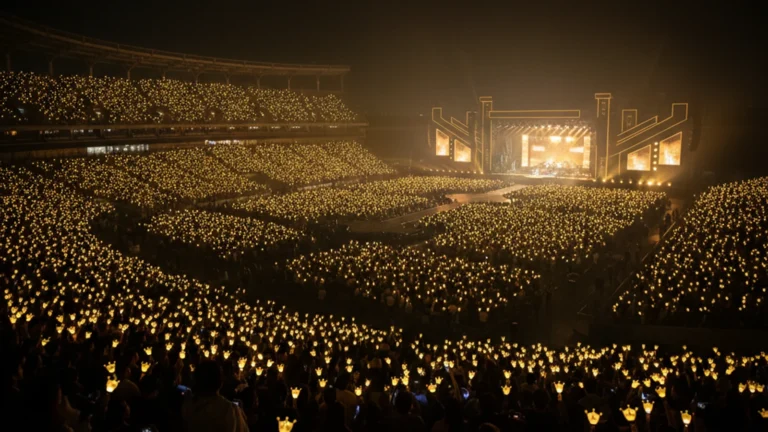
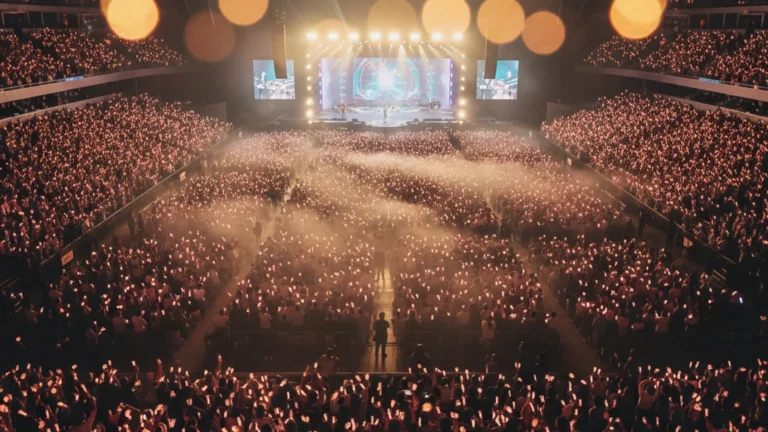
K-culture tourism Korea is no longer a hypothesis — it’s quantified. According to a new Airbnb report surveying 4,500 travelers across the U.S. and Asia-Pacific, 94% said K-culture influenced their interest in visiting Korea, with 75% identifying it as a key or primary motivator. Among Gen Z respondents, 36% cited K-pop specifically as the trip-defining factor. The data confirms what most KoreaHacks readers already know intuitively: overseas Korea travel in 2026 is overwhelmingly K-content driven.
What the K-culture tourism Korea numbers actually show

Per Korea Herald’s coverage of the Airbnb report, the headline statistics break down as follows:
- 94% of respondents said K-culture influenced their interest in visiting Korea
- 75% identified K-culture as a key or primary motivator
- 80% of Gen Z and millennial respondents cited K-culture as a major factor
- 36% of Gen Z cited K-pop specifically as the primary motivator
- 4,500 travelers surveyed across Asia-Pacific and the United States
The 94% figure is the eye-catching one, but the real signal is the 36% Gen Z K-pop number. That cohort is the U.S. tourism industry’s growth engine over the next decade — and Korea has effectively pre-booked them through cultural exports rather than traditional tourism marketing.
Why K-culture tourism Korea travelers spend more
The economic profile of K-content-motivated visitors stands apart from generic tourists:
- +$435 per trip spending compared to non-K-culture motivated travelers
- 88% stay three nights or more
- 68% travel with friends or family (group trips)
- 90% prioritize experiencing authentic local culture over checklist tourism
That 90% authenticity preference is what makes K-culture tourism Korea different from typical inbound travel. These visitors don’t want guided bus tours. They want neighborhood cafes, local restaurants, hanok stays, and concert venues their favorite group has actually played. The willingness to spend more reflects that they’re paying for context, not convenience.
How K-culture tourism Korea is reshaping accommodation
Sharon Chan, Head of APAC Communications at Airbnb, framed the shift cleanly: “People watch Korean content, but what they want now is to really experience Korean culture and the place it’s from in person.”
The accommodation pattern that follows: travelers increasingly choose residential neighborhoods over central tourist districts, viewing lodging itself as part of the cultural experience. That redirects demand toward Seongsu (the design and cafe district), Yeonnam-dong (low-rise residential charm), Hapjeong (hipster-adjacent), and the Mapo riverside — areas previously off the main hotel circuit.
Airbnb has been leaning into the trend with content-focused experiences. The platform’s recent “Secret Space in Seoul” installation featured emerging K-pop boy group Cortis — exactly the kind of crossover moment that converts viewers into bookers.
Practical takeaways for K-culture travelers planning Korea
- Pick neighborhoods over central Seoul hotels: Seongsu, Yeonnam, Hapjeong, and Mapo riverside align with the 90% authenticity preference and run 20–30% cheaper than Gangnam.
- Plan 3+ nights minimum: 88% of K-culture travelers stay this long because Seoul rewards depth, not speed.
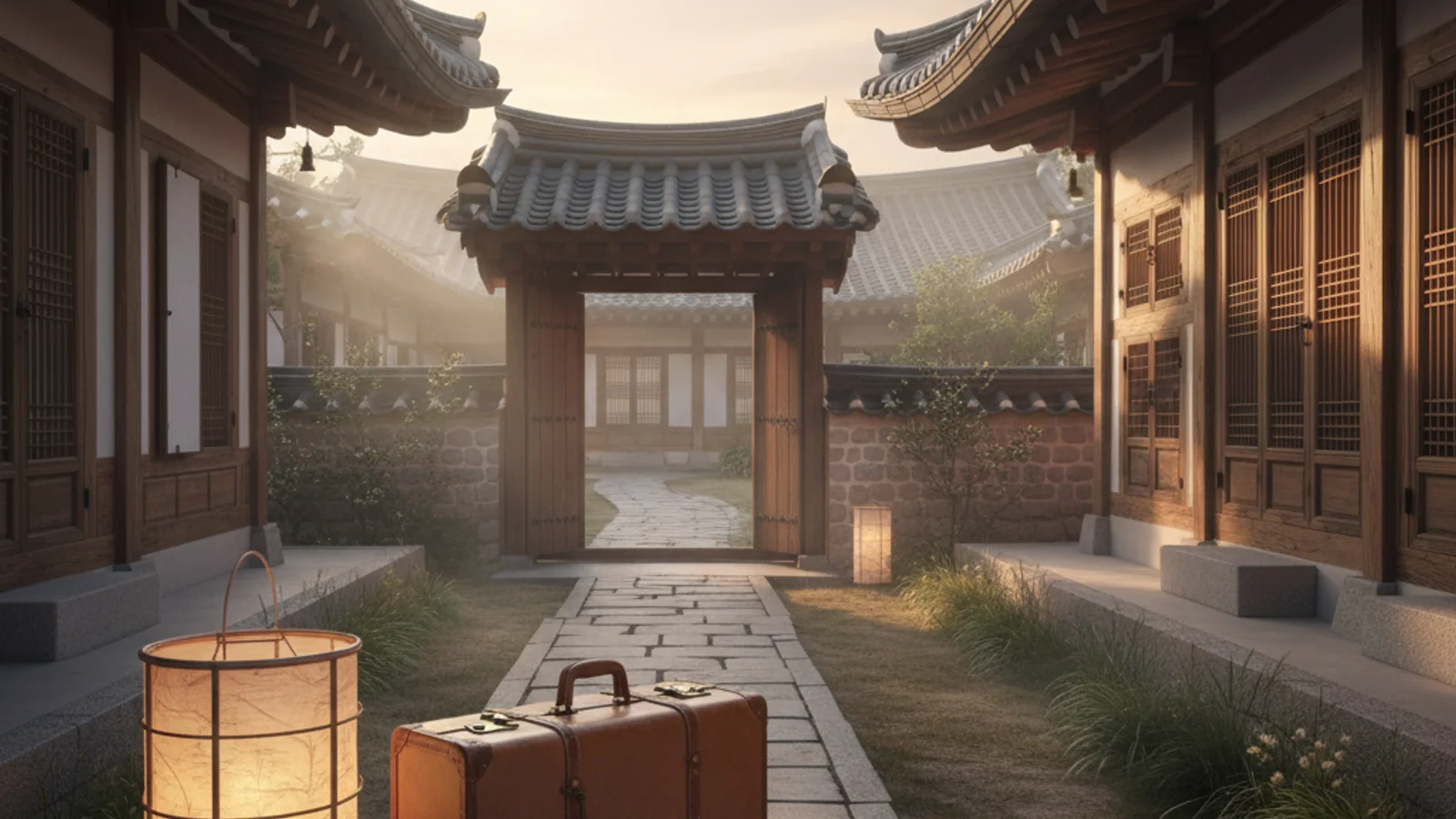
- Book a hanok stay night: Use it as the anchor cultural moment of the trip — it’s the single most cited authentic experience format.
- Build the trip around 1–2 specific K-content touchpoints: A concert, a drama filming location, or a recording studio tour. Then let the rest of the schedule breathe.
- Travel with someone: 68% do, and Seoul’s restaurant culture is built around shared dining — solo travelers miss half the experience.
The bottom line
K-culture tourism Korea is now a measurable category, not a marketing slogan. 94% influenced, 75% primary motivator, $435 more per trip, three nights minimum — these numbers reframe Korea travel planning from generic Asia trip to specifically designed K-content pilgrimage. Track ongoing tourism developments and itinerary guides in our Culture & Travel News section.