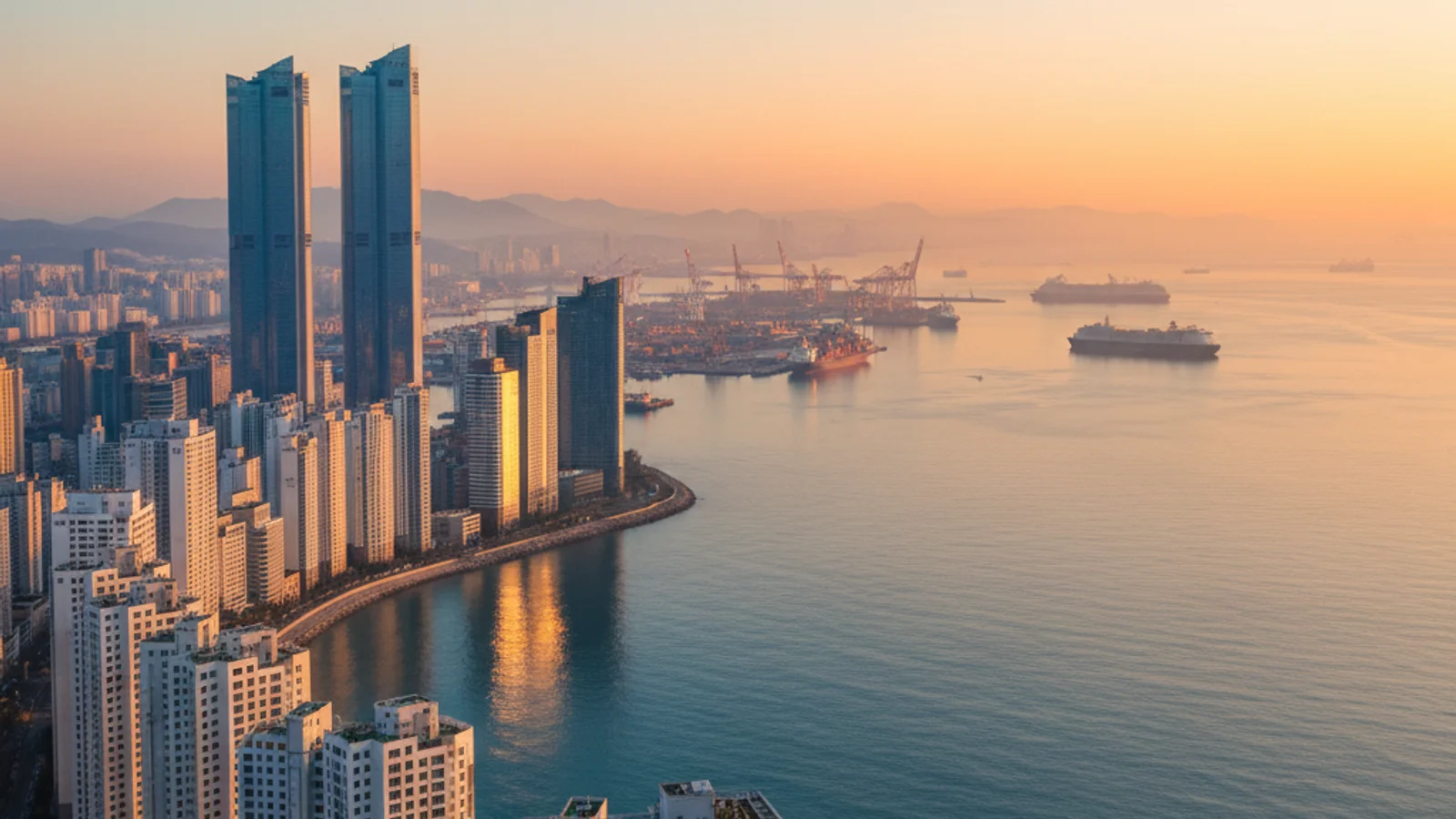
Busan Tourism 2026: Q1 Hits 1.02M Foreign Visitors Record
Busan tourism 2026 just hit a Q1 milestone: 1.02 million foreign visitors in three months — the fastest pace to one million since the city began tracking in 2014, beating the previous record by a full month. Foreign tourist spending climbed 26.4% year-over-year to 235.5 billion won ($159.4 million). Taiwan led source markets at 208,984 visitors, with China and Japan close behind. The numbers position Busan firmly on track toward its 5-million-visitor target by 2028.
What the Busan tourism 2026 numbers actually show
Per The Korea Times’ coverage, the Q1 breakdown by source market:
- Taiwan: 208,984 (~20% of total, largest single market)
- China: 197,958
- Japan: 130,217
- United States: 81,437
- Vietnam: 44,352
- Total foreign visitors: 1.02 million
- Foreign tourist spending: 235.5 billion won ($159.4M, +26.4% YoY)
- Pace: fastest to 1 million since tracking began (2014); previous record beaten by 1 full month
The 26.4% spending jump is the more interesting number than the headcount. It suggests visitors aren’t just arriving; they’re spending materially more per trip. Acting Mayor Kim Kyung-duk framed it directly: “Busan’s tourism brand value is rising, with visitor numbers and spending growing in tandem.”
What’s driving the Busan tourism 2026 surge
Three forces stack:
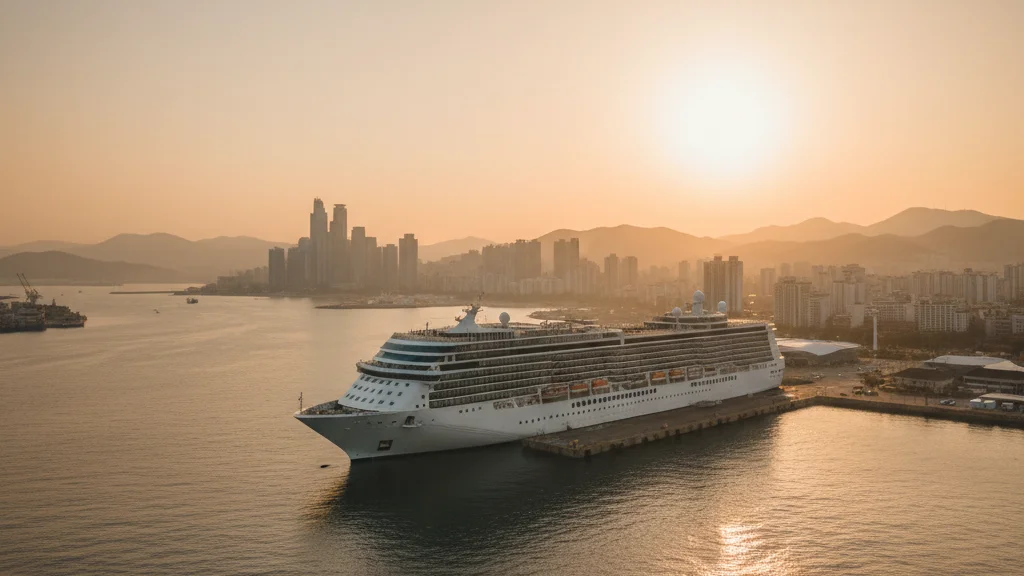
Cruise capacity expansion. Chinese cruise port calls at Busan went from 31 in Q1 2025 to 89 in Q1 2026 — nearly tripling. Chinese cruise passengers jumped from 57,964 to 180,388. The full-year 2026 cruise tourist projection sits at 800,000, more than double 2025’s number.
Travel infrastructure. A new fly-rail-and-cruise program lets visitors land at Incheon Airport, take KTX to Busan in roughly 2.5 hours, and connect onward to cruise routes. Visit Busan Pass sales jumped 65% year-over-year as the integrated package gained traction. Payment friction also dropped: Line Pay and Alipay are now widely accepted across Busan retail and dining.
K-content momentum. BTS’s “ARIRANG” concerts are scheduled in Busan on June 12–13. Even before those dates, the city’s K-content profile has been climbing alongside the broader Korean Wave story we covered in the Airbnb tourism report last week.
How Busan tourism 2026 changes traveler planning

Practical implications for visitors building 2026 itineraries:
- Skip Seoul-only itineraries: Busan now warrants 2–3 days minimum, not a same-day side trip from Seoul.
- Use the fly-rail-and-cruise package: Incheon → KTX Busan in 2.5 hours connects you to a coastal city with very different food, culture, and beach access than Seoul.
- Pre-buy the Visit Busan Pass: 65% sales growth signals real traveler value. Bundle covers museums, transit, and select attractions.
- Card and mobile payment: Line Pay and Alipay are now accepted broadly; foreign-card friction is much lower than even 2024.
- Avoid June 12–13: BTS concert weekend will spike hotel rates 60–80%. Either commit to that weekend specifically or book another window.
- Best months: April, May, and October–November — moderate temperatures, fewer cruise crowds, lower hotel rates.
The bottom line
The Busan tourism 2026 Q1 record reframes Korea’s second city as a destination on its own terms, not a Seoul afterthought. 1.02 million foreign visitors in three months, 26.4% spending growth, and a structural cruise expansion all point at a multi-year trajectory. For 2026 travelers, allocating 2–3 days to Busan is now an obvious move, not a maybe. Track ongoing tourism developments and Busan-specific guides in our Culture & Travel News section.