Ballet Arirang: Reimagining Korea’s Folk Song in 2 Acts
Ballet Arirang asks a daring question: what is “Arirang” without its melody? Korea’s most beloved folk song — usually the first thing a Korean child learns to sing — is reimagined here as pure movement, with not a single note of the familiar tune performed on stage. Premiering at the Seoul Arts Center’s CJ Towol Theater on June 7–8, 2026, this two-act production treats Arirang as a cultural spirit rather than a song, exploring despair, solidarity, and resilience through dance. For anyone curious how tradition gets reinvented in Korea, it’s a fascinating watch.
What Ballet Arirang actually is
Per Korea Herald’s coverage, here’s the production at a glance:
- Creator/director: Park Hoon-kyu of the multimedia arts collective MUTO
- Choreographers: Choi Soo-jin (Act I) and Lee Luda (Act II)
- Commissioned by: Ballet Festival Korea, under artistic director Kim Joo-won
- Venue & dates: Seoul Arts Center, CJ Towol Theater, June 7–8, 2026
- The score: 12 original tracks blending electronic music with traditional Korean instruments (geomungo, taepyeongso) and orchestral arrangements — no “Arirang” melody
- The structure: Act I follows an individual trapped by a wall of despair; Act II turns to collective effort to break through
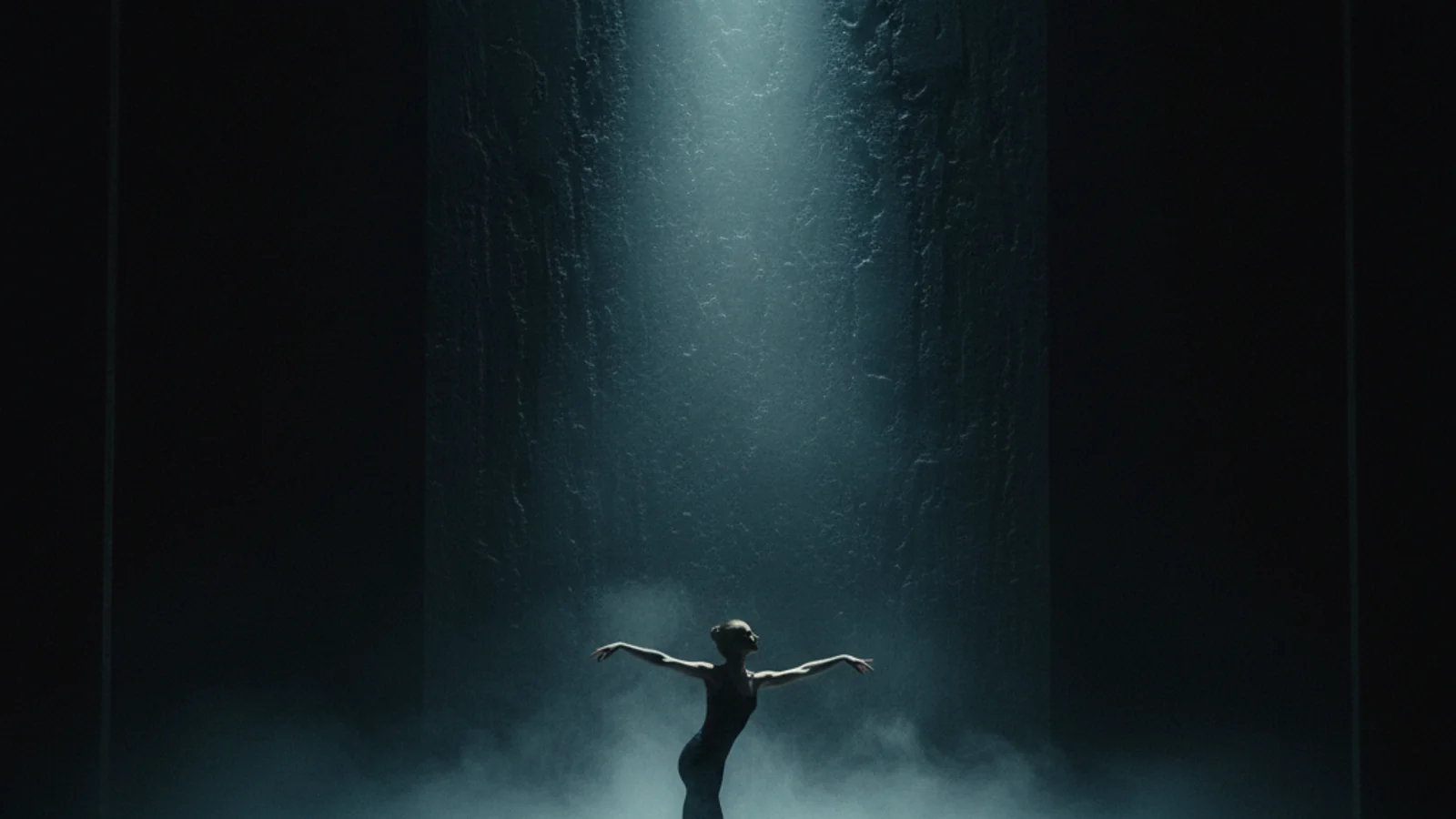
Director Park frames Arirang not as a tune but as “a scream rebounding from a wall of despair, which ultimately becomes a song of salvation connecting people to one another.” A metaphorical wall — inspired by the monolith in “2001: A Space Odyssey” — anchors the staging as the obstacle each character must confront.
Why Ballet Arirang is worth attention
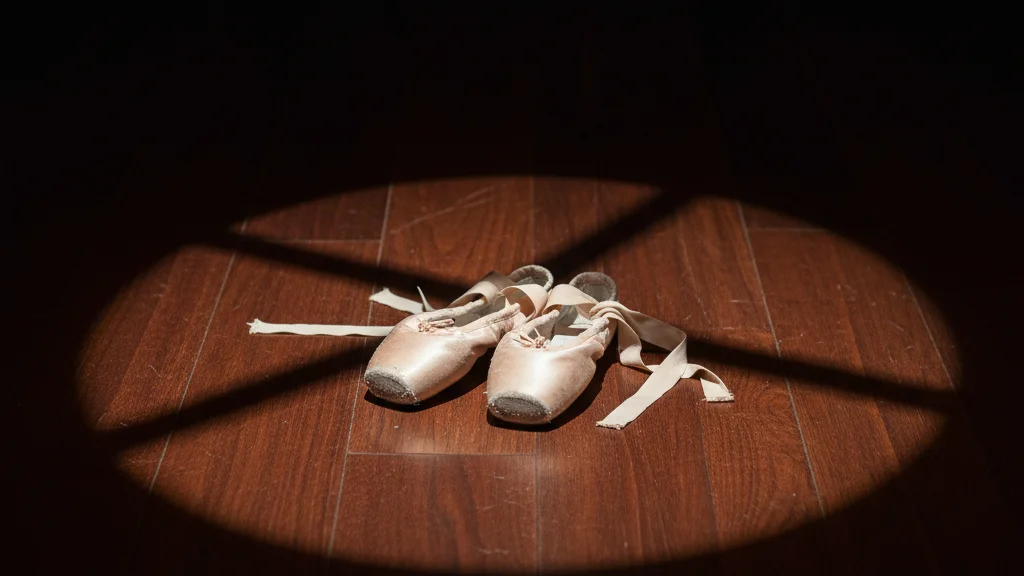
The boldest choice is the omission. Arirang’s melody is so culturally loaded that removing it forces the audience to feel the song’s meaning — endurance through hardship — rather than simply recognize the tune. It’s a high-risk artistic bet: strip away the one element everyone knows, and make the body carry what the voice usually does.
The movement vocabulary is where it gets distinctly Korean. Act II folds in taekwondo forms and shamanistic gestures alongside classical ballet, so the breakthrough from despair reads through uniquely Korean physical traditions, not just Western dance. That fusion — geomungo and taepyeongso under electronic beats, pointe work beside martial-arts stances — is the production’s real argument: tradition isn’t a museum piece, it’s raw material.
It also reflects a wider moment in Korean performing arts. From “Ballet Festival Korea” commissions to genre-blending productions, Seoul’s stages are increasingly using contemporary forms to reinterpret heritage for younger and international audiences — the same impulse driving modern hanbok and reimagined traditional music.
How to see Ballet Arirang
- Venue: Seoul Arts Center (SAC), CJ Towol Theater, in Seocho-gu, southern Seoul
- Dates: June 7–8, 2026 — a short run, so book ahead
- Access: Nambu Bus Terminal Station (Line 3), Exit 5, about a 5-minute walk to SAC
- Good to know: dance-driven and largely wordless, so there’s no language barrier — ideal for international visitors
- Pair with: the Seoul Arts Center complex also houses art galleries and a calligraphy museum for a full afternoon
- Tickets: check the Seoul Arts Center and Ballet Festival Korea listings for seating and pricing
The bottom line
Ballet Arirang is one of the most conceptually ambitious Korean stage works of 2026 — the nation’s signature folk song reimagined as movement, fusing ballet with taekwondo and shaman ritual, melody deliberately withheld. It runs just two nights at the Seoul Arts Center. Track Korean performing arts, exhibitions, and culture in our Culture & Travel News section.