Cheonggyecheon Stream: 3 Wild Fish Reveal Seoul’s Clean Secret
Cheonggyecheon stream, the restored waterway threading through downtown Seoul, just revealed a secret hiding in plain sight: a thriving wild fish ecosystem. When tourists spotted a man snorkeling in the stream in late May 2026 and posted clips online, curiosity exploded. The diver turned out to be Kim Dong-sik, an award-winning underwater cinematographer documenting the stream’s surprisingly clean, biodiverse waters. For visitors who walk past Cheonggyecheon as a pretty city stroll, the story reframes it as one of the world’s great urban ecological comebacks.
What lives in the Cheonggyecheon stream
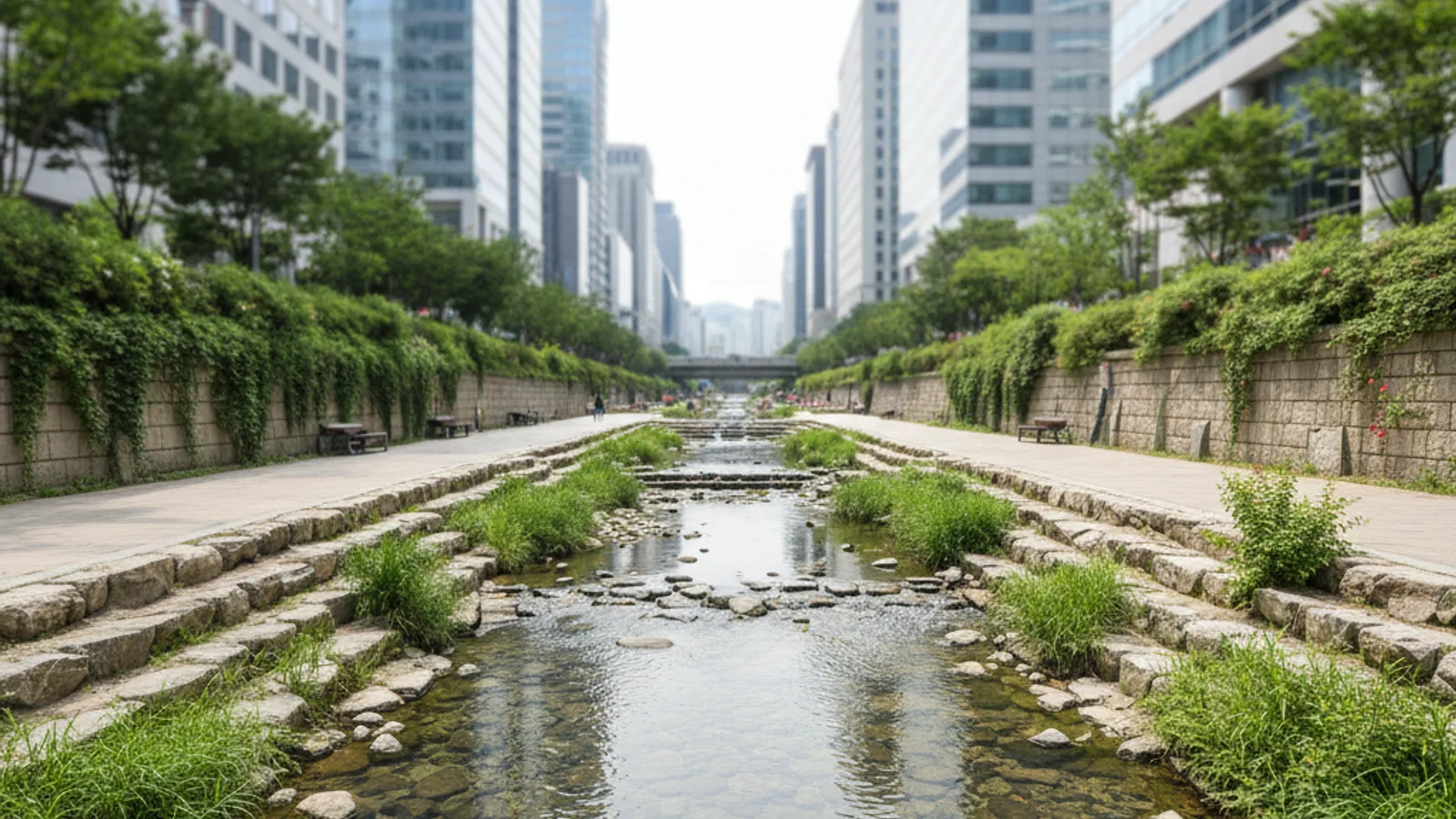
Per Korea Herald’s reporting, here’s what the documentation found:
- The cinematographer: Kim Dong-sik, an award-winning underwater filmmaker with a doctorate in fisheries science and four decades of experience
- His credentials: directed the documentary “Whales and I,” winning best artistic director at the 60th Baeksang Arts Awards
- Three clean-water species: Korean shiners, sweetfish, and pale chubs — fish that only thrive in healthy, clean water
- Why it matters: their presence confirms Cheonggyecheon maintains genuinely good water quality, not just decorative flow
- How it surfaced: tourists filmed Kim snorkeling in late May 2026 and shared it online, sparking a viral guessing game about who he was
- His goal: preserve and document the ecosystem so future generations can appreciate it
Kim’s framing is the headline: he calls Cheonggyecheon “a globally recognized example of successful urban ecological restoration.” The presence of sweetfish (ayu) in particular is striking — it’s a species prized for needing pristine water, and finding it in a stream running beneath one of Asia’s densest downtowns is not what most people expect.
Why the Cheonggyecheon stream story matters
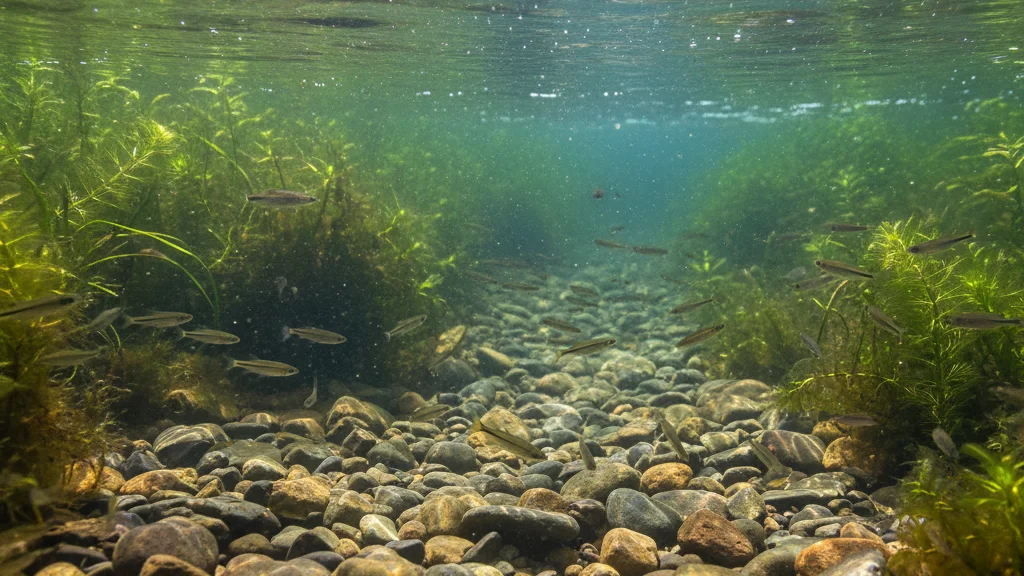
Cheonggyecheon’s backstory is the context that makes the fish remarkable. For decades the stream was buried under an elevated highway — a covered-over relic of rapid industrialization. Seoul tore down the overpass and daylighted the stream in a landmark 2005 restoration, turning a concrete artery into a 10.9-km green corridor through the city center. That it now supports clean-water fish is the project’s vindication two decades on.
For travelers, this changes how to see the stream. Most visitors treat Cheonggyecheon as a scenic walk between Gwanghwamun and Dongdaemun — pleasant, but easy to dismiss as purely ornamental. Knowing it’s a functioning ecosystem with indicator species swimming below the surface adds a layer: it’s a living case study in how a megacity can reclaim nature, not just landscape over it.
The viral moment also says something about Seoul’s relationship with the stream. A diver snorkeling downtown became citywide news precisely because residents are protective and curious about it. Cheonggyecheon isn’t a forgotten drainage channel — it’s a beloved civic space, and the ecosystem underneath is part of why.
How to visit the Cheonggyecheon stream
- Where it is: runs 10.9 km through central Seoul, from Cheonggye Plaza near Gwanghwamun east toward Dongdaemun
- Easiest access: Gwanghwamun Station (Line 5) or City Hall Station (Lines 1 & 2) for the western start; Dongdaemun for the eastern stretch
- Best stretch: the first 1–2 km from Cheonggye Plaza is the most landscaped and accessible, with stepping stones and waterside paths
- Look for the fish: peer into clear, shallow sections on a sunny day — small silvery fish are visible to the patient observer
- Best time: late spring through early autumn for greenery and flowing water; evenings are cooler and lit
- Pair with: Gwanghwamun Square, Dongdaemun Design Plaza, and the surrounding markets for a full downtown day
The bottom line
The Cheonggyecheon stream isn’t just a downtown Seoul photo op — it’s a working urban ecosystem clean enough for sweetfish, and a global model for ecological restoration that an award-winning diver is now documenting frame by frame. Next time you walk it, look down. Track Seoul’s hidden corners, nature, and travel guides in our Culture & Travel News section.