Ha Chong-hyun Retrospective Opens in San Francisco September 2026
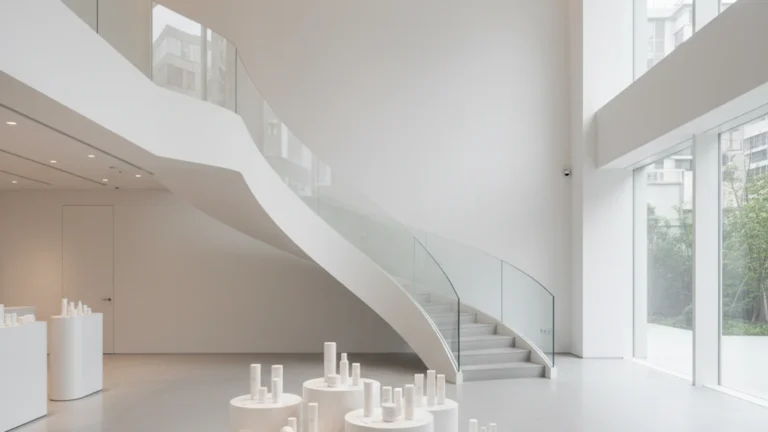
The Ha Chong-hyun retrospective will open at the Asian Art Museum of San Francisco on September 25, 2026 — the first large-scale Korean solo presentation at the museum’s newly opened Pavilion space. Running through January 25, 2027, the show features approximately 50 works including the iconic “Conjunction 74-26,” on loan from MoMA New York. For anyone U.S.-based who has wondered what dansaekhwa — Korea’s most influential post-war art movement — actually looks like up close, this is the rare chance to see it outside Seoul.
What the Ha Chong-hyun retrospective will actually include
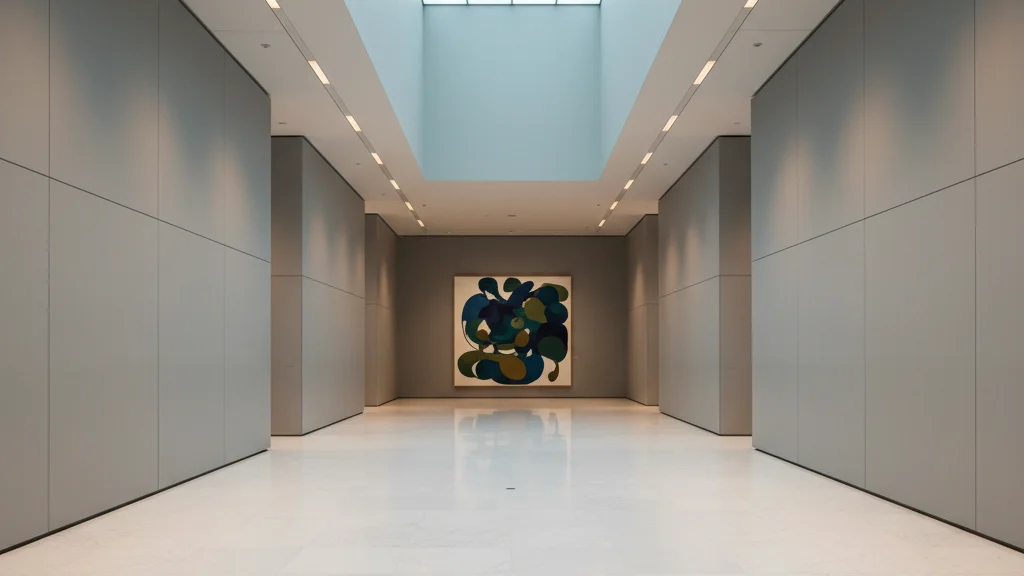
Per Korea Herald’s coverage, the Ha Chong-hyun retrospective centers on the 1970s “Conjunction” series — the artist’s signature body of work — with additional pieces spanning his six-decade career. The full scope:
- Venue: Asian Art Museum of San Francisco, Pavilion space (newly opened)
- Address: 200 Larkin St, San Francisco, CA (Civic Center area)
- Opens: September 25, 2026
- Closes: January 25, 2027
- Works on view: approximately 50 pieces
- Marquee loan: “Conjunction 74-26” from MoMA New York
- Curator: Kim Sun-jung, artistic director of Art Sonje Center
Lee So-young, the museum director, framed the intent clearly: “We wanted to examine what Ha Chong-hyun represents not only within Korean contemporary art but also in the global art scene.” Kim Sun-jung, who previously organized Ha’s exhibitions in Seoul and Venice, added that the artist has described himself as “an artist in constant transformation.”
Why dansaekhwa matters (quick context for the Ha Chong-hyun retrospective)
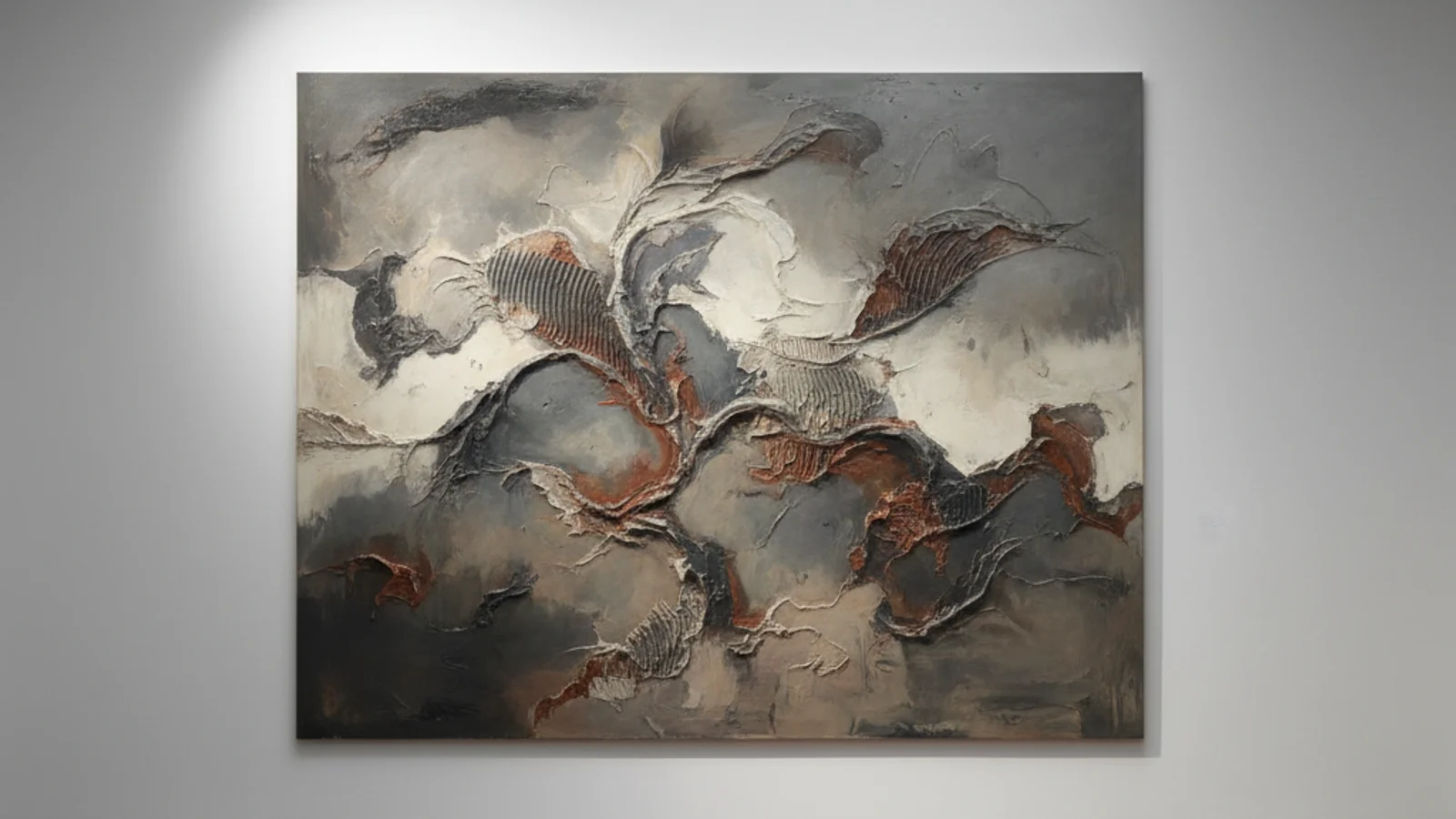
Dansaekhwa — literally “monochrome painting” — is the 1970s Korean art movement that defined post-war Korean identity through abstraction. Four figures anchor the movement: Park Seo-bo, Chung Sang-hwa, Lee Ufan, and Ha Chong-hyun. What separates dansaekhwa from Western abstraction is the tactile manipulation of traditional materials: hanji paper pressed and torn, hemp cloth pushed through with paint from behind, oil applied in thick repetitive gestures.
Ha’s “Conjunction” series exemplifies that approach. Paint is pushed from the back of raw burlap or hemp cloth, emerging through the weave on the front as a surface that is both sculpted and painted. The process is slow, physical, and rooted in materials rather than Western brushwork traditions. That’s the context the San Francisco show will unpack for first-time viewers.
Ha had his last major institutional retrospective at Korea’s National Museum of Modern and Contemporary Art in 2012, plus two prior Kim-curated presentations in Seoul and Venice. The San Francisco opening is his first large U.S. museum solo.
Planning the visit — what Ha Chong-hyun retrospective travelers should know
Practical notes for visitors planning a trip around the exhibition window:
- Transit: Asian Art Museum sits on Larkin Street next to the Civic Center BART/Muni station. Walking distance from Union Square (15 minutes).
- Hours: Typically Tuesday–Sunday, 10 a.m.–5 p.m. (closed Mondays; check the museum site closer to your date).
- Tickets: General admission sits around $15–20 for adults; special exhibitions sometimes add a surcharge.
- Best timing: Weekday mornings are quietest. Weekends draw locals plus tourist crowds from Union Square.
- Pair it: Combine with a same-day visit to SFMOMA (American contemporary) for a useful compare-and-contrast experience.
For Korean-American communities: expect associated lectures, curator walks, and cultural programming. These usually book separately and fill fast in Bay Area K-arts circles.
The bottom line
The Ha Chong-hyun retrospective is the first serious U.S. museum solo for a dansaekhwa pioneer, and the September-to-January window makes it flexible for fall or winter Bay Area trips. For U.S.-based Korean art fans, it’s a rare chance to see 50 Ha Chong-hyun works without booking flights to Seoul. We’ll flag related events and dansaekhwa resources in our Culture & Travel News section.