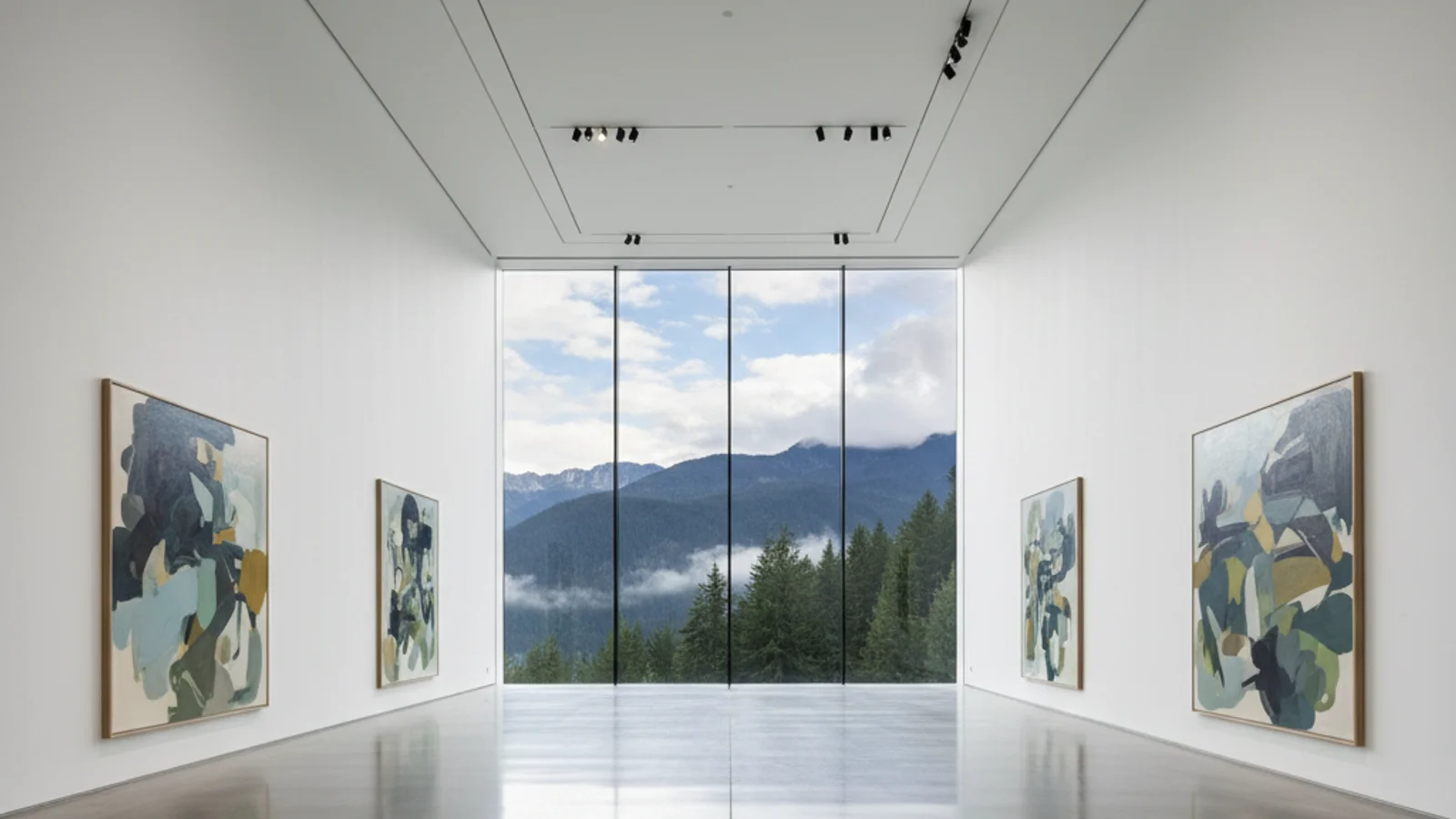
Korea Japan Art Exhibition Lands at MMCA: 200 Works, 43 Artists
The Korea Japan art exhibition “Art Between Korea and Japan Since 1945” opened at MMCA Gwacheon, presenting nearly 200 works by 43 artists and collectives across eight decades of cultural exchange between the two countries. The lineup includes Nam June Paik (the Korean-born founder of video art), his collaborator Kubota Shigeko, plus Lee Ufan, Park Seo-Bo, and Japanese avant-garde figures Tanaka Koki and Takamine Tadasu. For travelers interested in the deeper currents of East Asian contemporary art, it’s the most substantial Korea-Japan art survey the national museum has staged.
What the Korea Japan art exhibition actually covers
Per Korea Herald’s coverage, the exhibition’s structure:
- Title: “Art Between Korea and Japan Since 1945”
- Venue: MMCA Gwacheon, Gyeonggi Province
- Scale: nearly 200 works, 43 artists and collectives
- Time span: 80 years (since 1945)
- Featured artists: Nam June Paik, Kubota Shigeko, Lee Ufan, Park Seo-Bo, Tanaka Koki, Takamine Tadasu
- Director: Kim Sung-hee (MMCA director)
The exhibition is organized thematically rather than by simple chronology. Sections cover Zainichi Korean artists (ethnic Koreans living in Japan), Nam June Paik’s studies in Japan and exchanges from the 1960s, the Japanese avant-garde collective Hi-Red Center, the institutionalized exchanges that followed the 1965 Korea-Japan diplomatic normalization, gallery collaborations (Myeong-dong Gallery, Tokyo Gallery), and post-2000s artistic confrontations of unresolved historical issues.
Why the Korea Japan art exhibition matters
Korea-Japan relations carry a weight that most casual visitors only encounter through politics and headlines. This exhibition reframes the relationship through 80 years of art — a longer, more complicated, and more intimate record than the diplomatic timeline suggests. Director Kim Sung-hee framed it directly: “This exhibition offers the opportunity to revisit historical moments experienced by both countries.”
The Nam June Paik thread is particularly significant. Paik — covered in our earlier piece on the Korean Pavilion at the Venice Biennale’s surrounding context — studied in Japan and built early creative exchanges there from the 1960s. Seeing his work alongside Kubota Shigeko and the Hi-Red Center collective situates the video-art pioneer inside the Korea-Japan artistic network that shaped him, rather than presenting him as an isolated genius.
How to visit the Korea Japan art exhibition
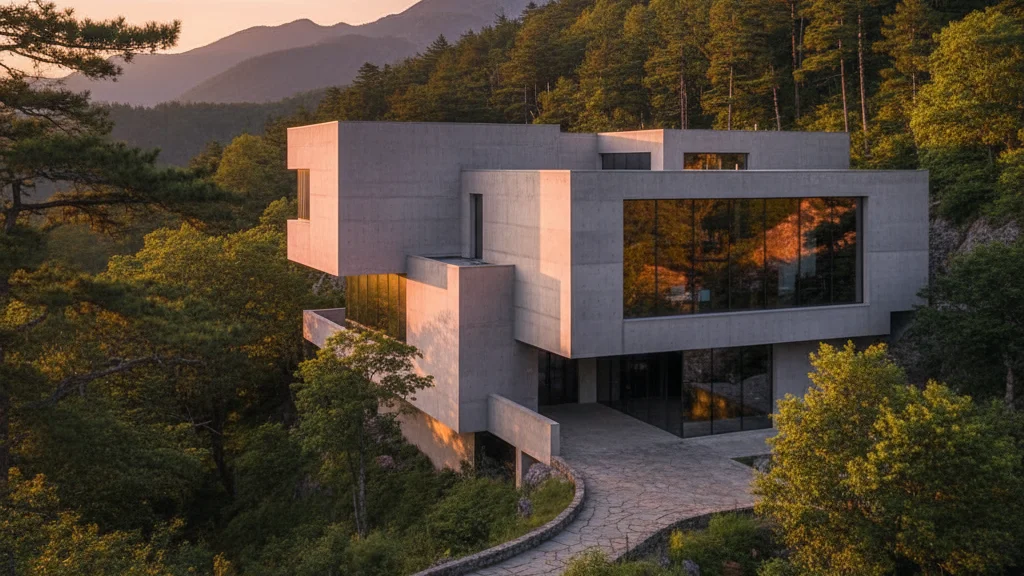
- Venue: MMCA Gwacheon — the National Museum of Modern and Contemporary Art’s mountainside flagship branch in Gyeonggi Province, just south of Seoul.
- Transit: Seoul Subway Line 4 to Seoul Grand Park Station, then the MMCA shuttle bus or a 15-minute uphill walk.
- Pair with: Seoul Grand Park, Seoul Land amusement park, and the Gwacheon National Science Museum — all within the same hillside complex, making a full-day cultural outing easy.
- Timing: Allow 2–3 hours for the exhibition alone. Weekday mornings are quietest. The mountainside setting is worth arriving early for.
- Tickets: Standard MMCA admission applies (modest fee; check the MMCA site for current pricing and any special-exhibition surcharge).
The bottom line
The Korea Japan art exhibition at MMCA Gwacheon is a serious cultural deep-dive — 200 works tracing 80 years of a complicated relationship through art rather than politics. For travelers willing to head just south of Seoul, it pairs naturally with the Seoul Grand Park complex for a full cultural day. Track major Korean museum exhibitions in our Culture & Travel News section.