Seoul Travel Cost in 2026: $89.90 Hotels Beat New York
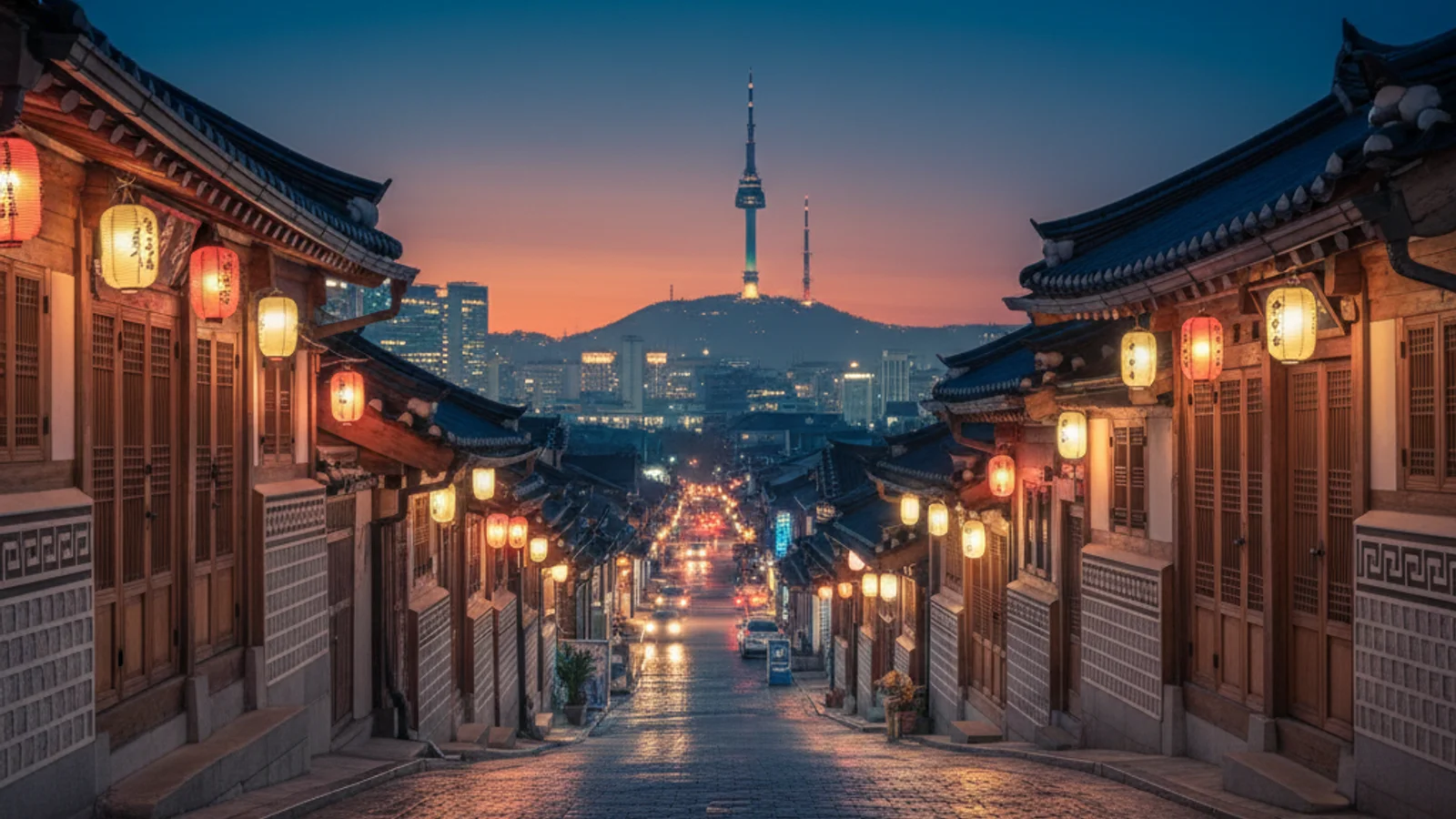
Seoul travel cost in 2026 averages $89.90 per hotel night, $8.79 for a typical restaurant meal, and roughly $8.60 for a 10-km taxi ride — about a fifth of comparable New York prices, and roughly a third less than Tokyo or Singapore. The numbers come from Yanolja Research, the data arm of Korean travel-tech company Yanolja, and they answer a question English-speaking travelers have been asking since the won started weakening: how much does a Korea trip actually cost in 2026?
What Seoul travel cost numbers actually break down to
Per Korea Herald’s coverage of the Yanolja Research report, here are the numbers travelers should know in 2026:
- Seoul hotel average: $89.90 per night
- New York hotel average: $419.40 per night (~4.7x Seoul)
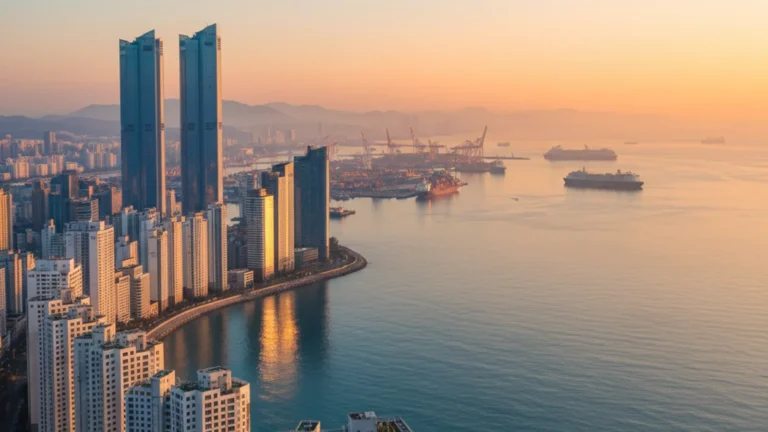
- Busan hotel average: $53 per night (cheaper than Seoul)
- Paris, Barcelona, Rome: roughly 3x Seoul rates
- Tokyo and Singapore: at least 30% more expensive than Seoul
- Seoul taxi (10 km): ~$8.60 — about one-quarter of London or Berlin equivalents
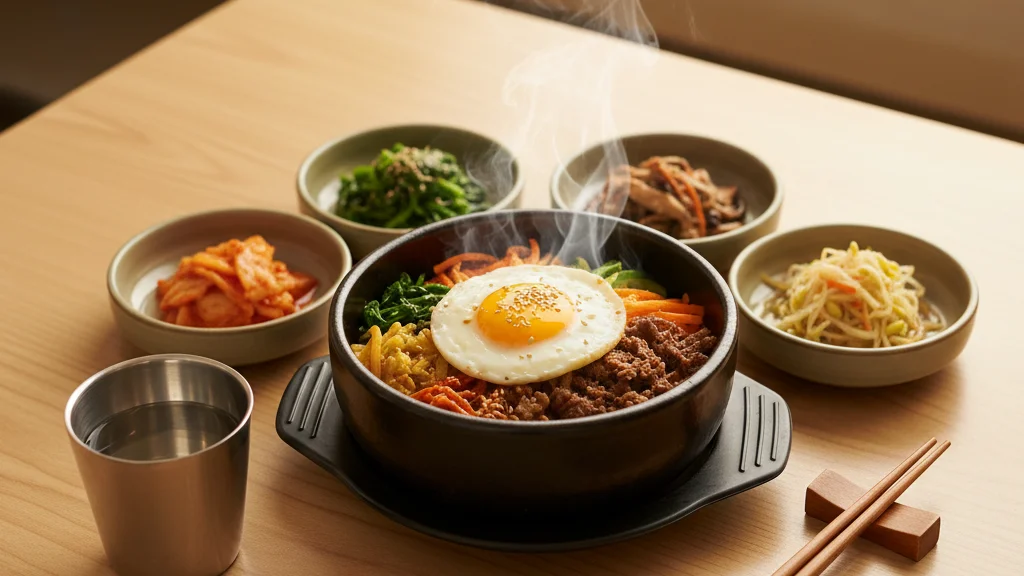
- Typical Korean restaurant meal: $8.79 per person — roughly one-third of New York or London prices
The numbers don’t include the small but constant Korea-specific bonuses: complimentary side dishes (banchan) and free water at most restaurants. Bring a typical New York-priced expectation to Seoul and the actual bill at the table will surprise you on the upside in nearly every category.
Why Seoul travel cost is so favorable for foreign visitors in 2026
Three factors stack:
Currency: A weaker Korean won in 2026 has boosted the purchasing power of foreign visitors holding USD, EUR, GBP, or JPY. The exchange rate alone explains 15–20% of the affordability gap versus 2022–2023.
Inflation: Korea’s inflation has been managed lower than many Western markets through 2025–2026. Hotel rates and restaurant prices haven’t moved as much as their U.S. or European peers.
Perception versus reality: The Yanolja Research report explicitly notes that Korea’s reputation for being expensive is shaped by peak-season price spikes — May, October cherry blossom and Chuseok windows, December year-end — rather than typical pricing. Travel outside those windows and the actual Seoul travel cost is roughly half of what news coverage might suggest.
How to maximize the Seoul travel cost advantage
Practical playbook for stretching the budget:
- Time the visit: Avoid the May Buddha’s Birthday rush, mid-September Chuseok, and late December peaks. Late April, June, and February are bargain months with bearable weather.
- Mid-tier hotels over five-stars: The price gap with New York is largest in the 3–4 star range. Five-star Seoul hotels are still cheaper than New York, but the proportional savings shrink.
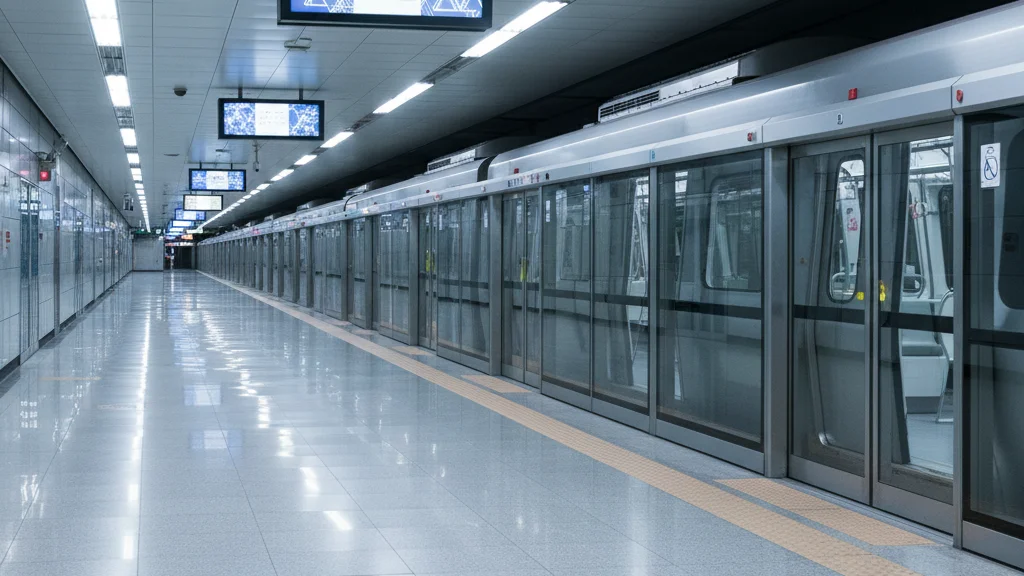
- Ride the subway: Buy a T-money card, avoid taxis except late at night. Seoul Metro is clean, punctual, and English-signed. KTX handles long-distance Busan and Jeonju trips.
- Eat at neighborhood restaurants: The $8.79 meal average lives in working neighborhoods, not Myeongdong tourist alleys. Hongdae, Yeongdeungpo, Mapo, and Seongsu deliver the price-quality sweet spot.
- Stay outside Gangnam: Hongdae, Itaewon, and the Mapo riverside offer 20–30% lower hotel rates with comparable transit access.
The bottom line
Seoul travel cost is structurally favorable for foreign visitors in 2026. Hotels at $89.90, meals at $8.79, taxis at $8.60 per 10 km — the savings versus New York or Paris compound across a multi-day stay. Time the trip outside peak windows, lean into public transit, and the gap widens further. Track ongoing Korea travel value updates in our Culture & Travel News section.