Korean Hairstyling Trend 2026: The ‘Kkuankku’ Look Explained
Korean hairstyling has quietly flipped its whole philosophy in 2026 — away from bold, trend-chasing transformations and toward something subtler the industry calls “kkuankku,” loosely “made but not made.” Instead of handing every client the same viral cut, top Seoul salons now start with a diagnostic consultation, reading your face shape, hair texture, and proportions before a single snip. For the growing number of travelers who book a Seoul salon as part of the trip, understanding this shift is the key to getting the look right.
What the new Korean hairstyling look is
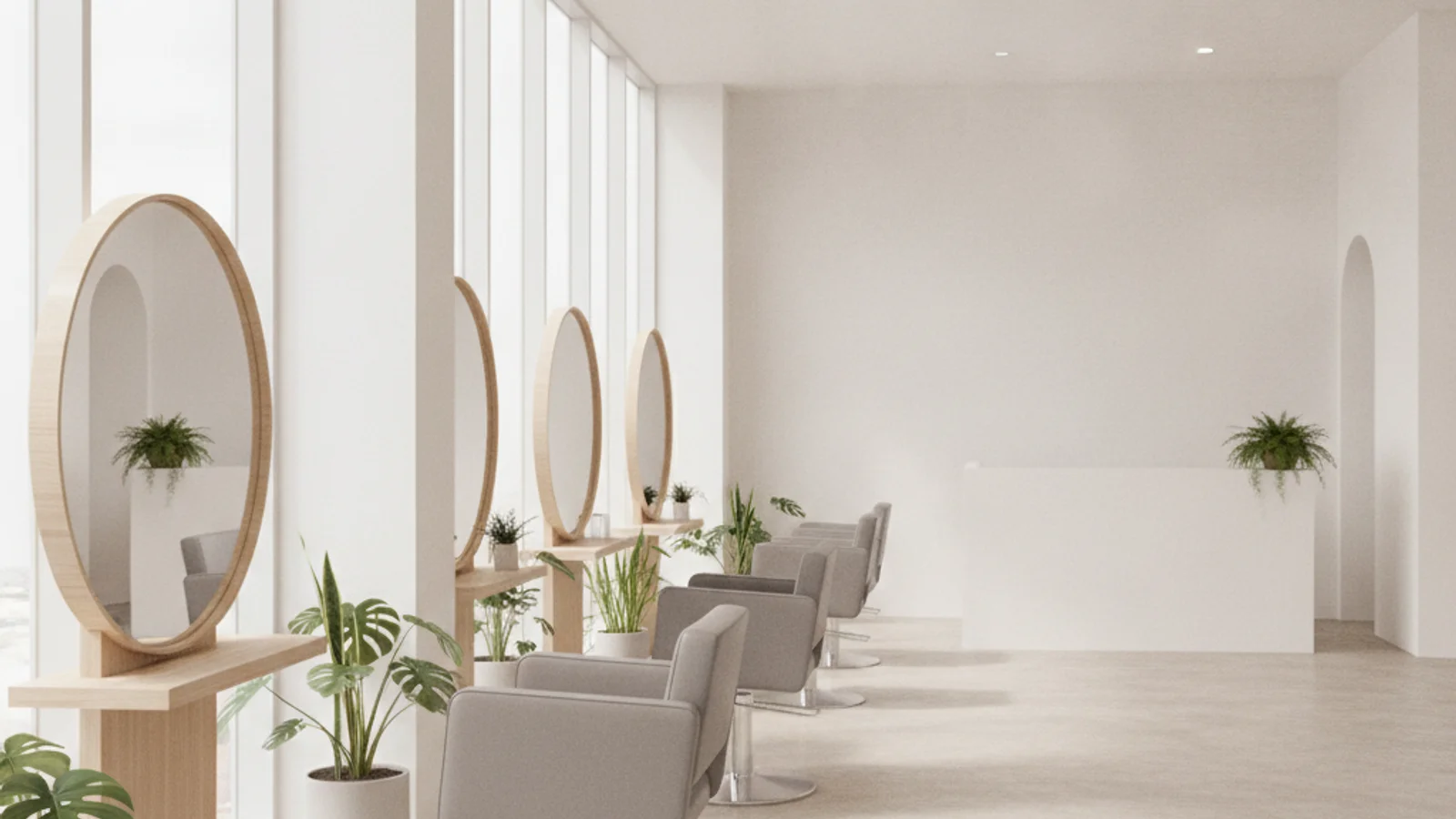
Per Korea Herald’s reporting, here’s what defines the current direction:
- “Kkuankku” philosophy: a natural, understated look — “made but not made” — replacing the excessive designs of the past
- Diagnostic cuts: stylists analyze face shape, hair texture, and proportions instead of applying one uniform trending style
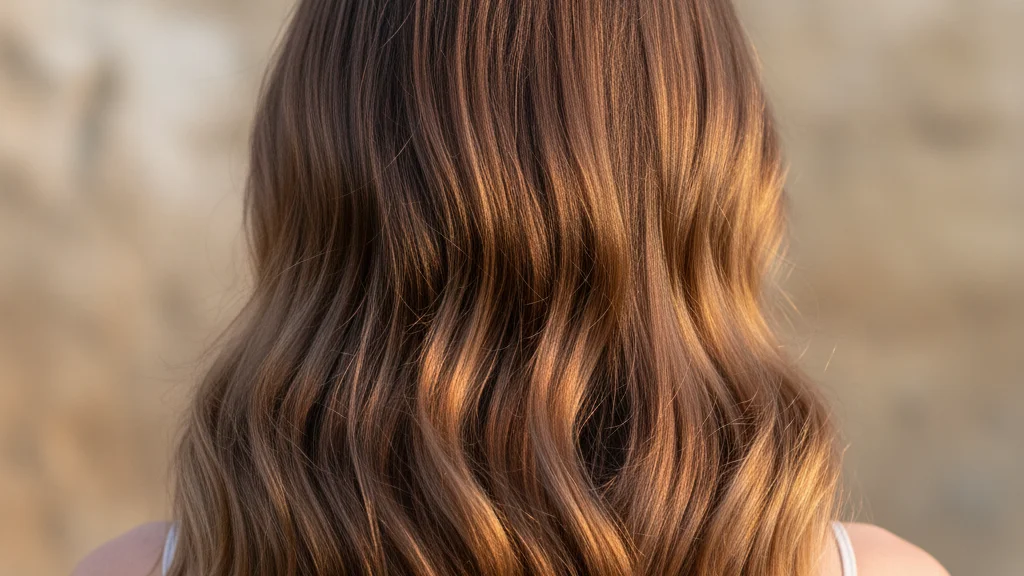
- Softer color: browns blended with pastel hints (pink, green) that shift subtly in sunlight, replacing the saturated brights of a decade ago
- Texture trends: heavier cuts and thick, loose-wave perms are gaining ground
- Head spas: repositioned as relaxation treatments, not just problem-solving
- Featured salon: Juno Hair (founded 1982; ~180 Korean locations and 8 international branches)
Jeong Ok, a 31-year veteran stylist at Juno Hair, sums up the shift: “Korean design used to be excessive. Now it’s leaning heavily toward ‘made but not made,’ that ‘kkuankku’ feel, very natural.” The skill has moved from applying a style to understanding structure — where to add or reduce volume for each individual face.
Why the Korean hairstyling shift matters
The bigger story is direction of influence. Korean salons once imported Japanese and Western styles; now they export their own aesthetic. Per the reporting, Japanese customers increasingly follow Korean trends — a reversal of the historical flow — with many arriving already familiar with Korean salons through social media. That’s the same trajectory K-beauty skincare took, now playing out in hair.
The “kkuankku” idea also tracks a wider Korean aesthetic running through skincare, makeup, and even modern hanbok: effortless refinement over obvious effort. The cut should look like you woke up with great hair, not like you spent three hours achieving it. That’s harder to execute than a bold transformation, which is exactly why the diagnostic, structure-first approach has become the differentiator.
There’s a travel angle too. The article suggests Korea could become a primary destination for hair services within five years — clients who once flew to Singapore for premium styling may increasingly choose Seoul. Hair is following the medical-tourism and K-beauty playbook, turning a salon visit into a reason to travel.
How to get the Korean hairstyling look in Seoul
- Expect a consultation: a good Korean salon analyzes your face and hair first — come ready to discuss the outcome you want, not just a photo
- Don’t demand an exact celebrity copy: stylists will adapt a K-drama or K-pop look to your facial proportions; trust the adaptation
- Ask for “kkuankku”: if you want the current natural look, say so — soft layers, loose waves, subtle color
- Try a head spa: now a standard relaxation add-on, not just a treatment for scalp problems
- Booking tip: large chains like Juno Hair have English-friendly branches in tourist-heavy Seoul districts; book ahead and confirm whether English-speaking stylists are available
- Color note: 2026 leans soft — pastel-tinted browns over bright saturated dye
The bottom line
Korean hairstyling in 2026 is defined by restraint — the “kkuankku” look, diagnostic cuts tailored to your face, and soft sun-shifting color, all backed by salons now exporting their aesthetic across Asia. For visitors, a Seoul salon chair is becoming a genuine travel experience. Track K-beauty, Korean style, and Seoul travel tips in our Culture & Travel News section.